01
Discovery and scope
Understand the problem
Freelance software engineer in the UAE. I build web and mobile products in Arabic and English.

Eight years building digital products people use every day: institutional sites, storefronts, and field apps. Working in the UAE taught me that a product has to read fluently in Arabic, hold traffic, and be manageable without a full-time developer on call.
The method is simple: understand the problem, write the scope, then build in reviewable stages. Architecture, performance, and interface quality get equal weight — because what ships without a foundation becomes a burden on the team.

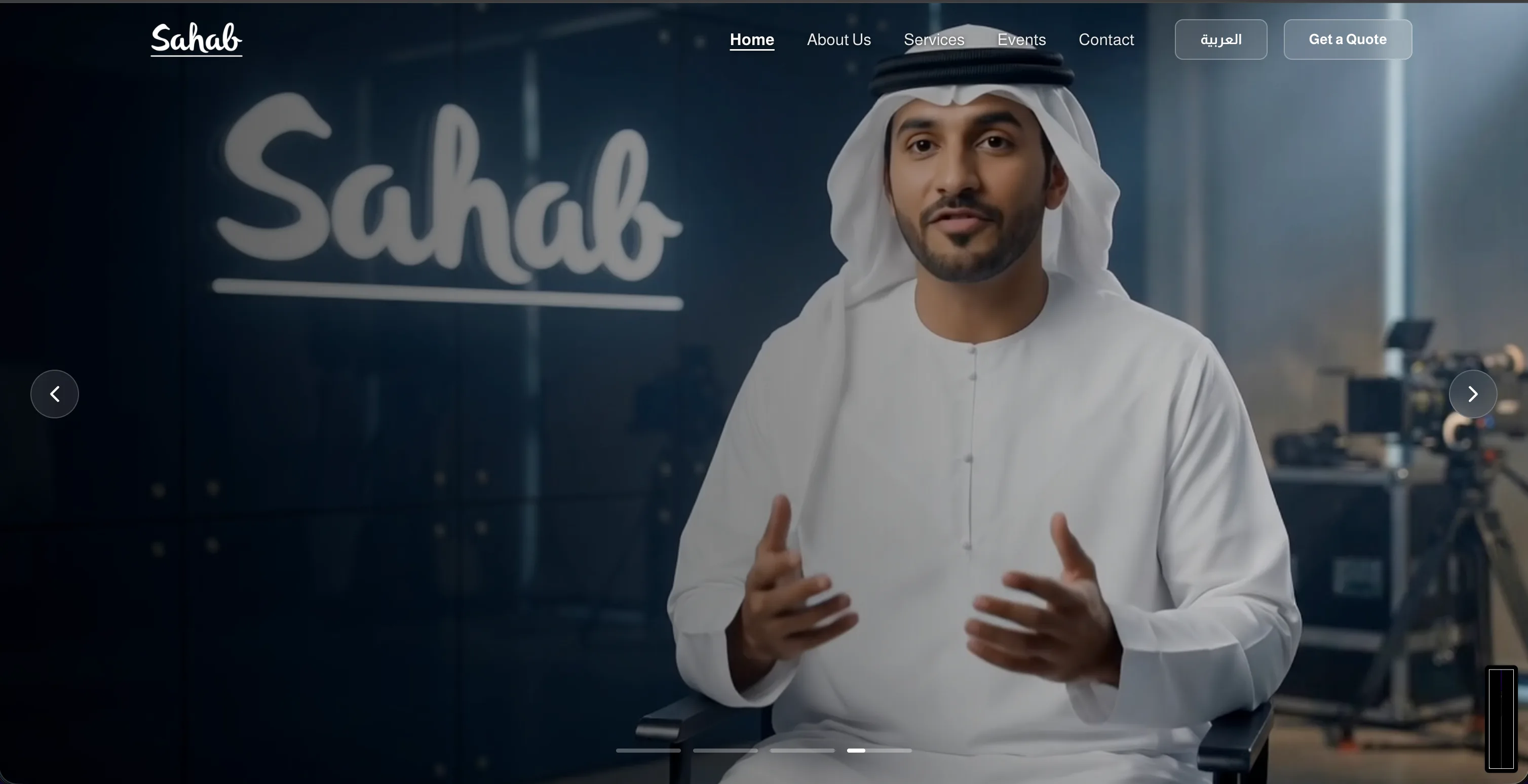 01
A marketing site with considered motion and a CMS the team can run without a developer.
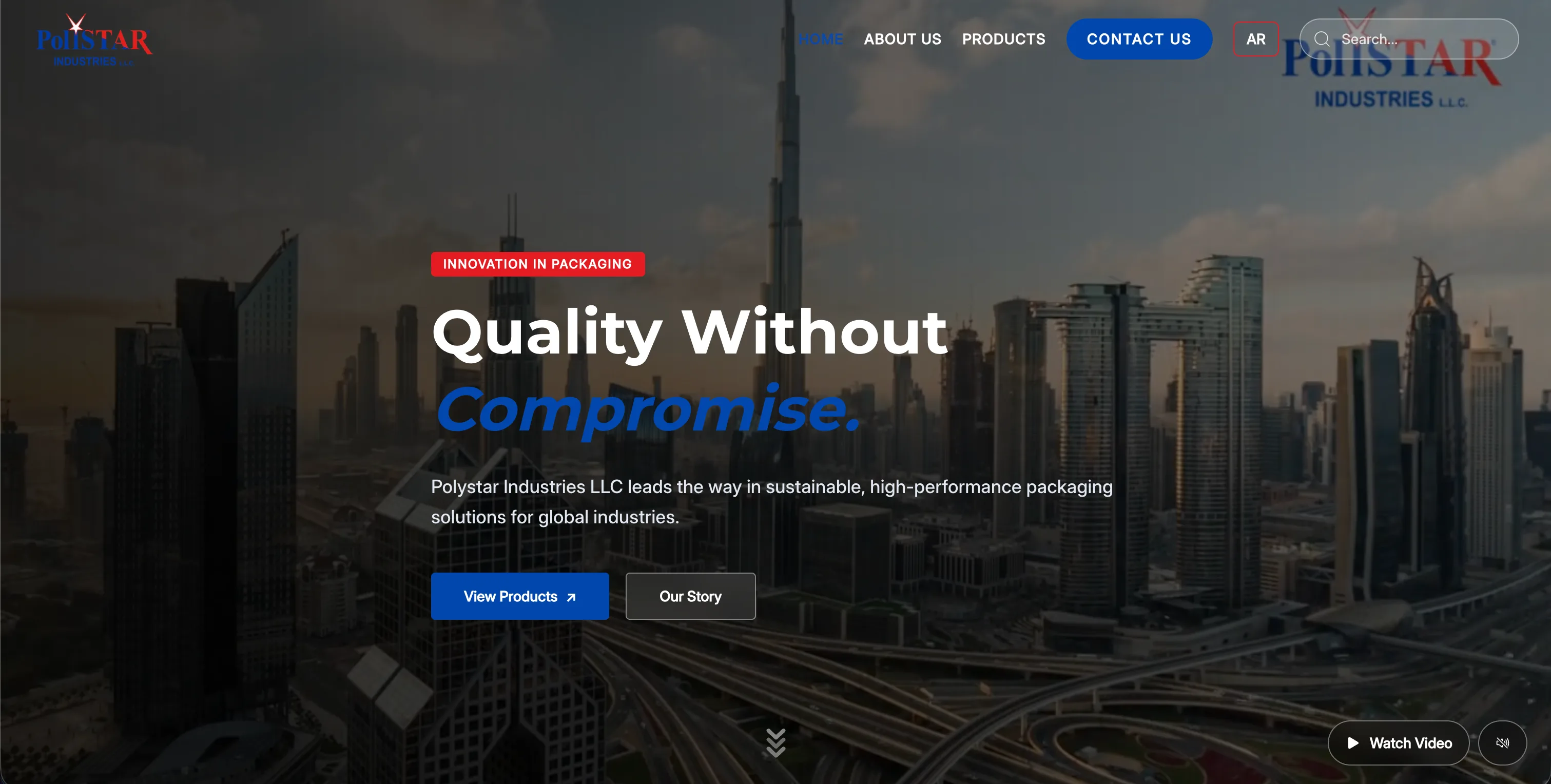 02
An industrial catalogue rebuilt around a clear product hierarchy and fast search.
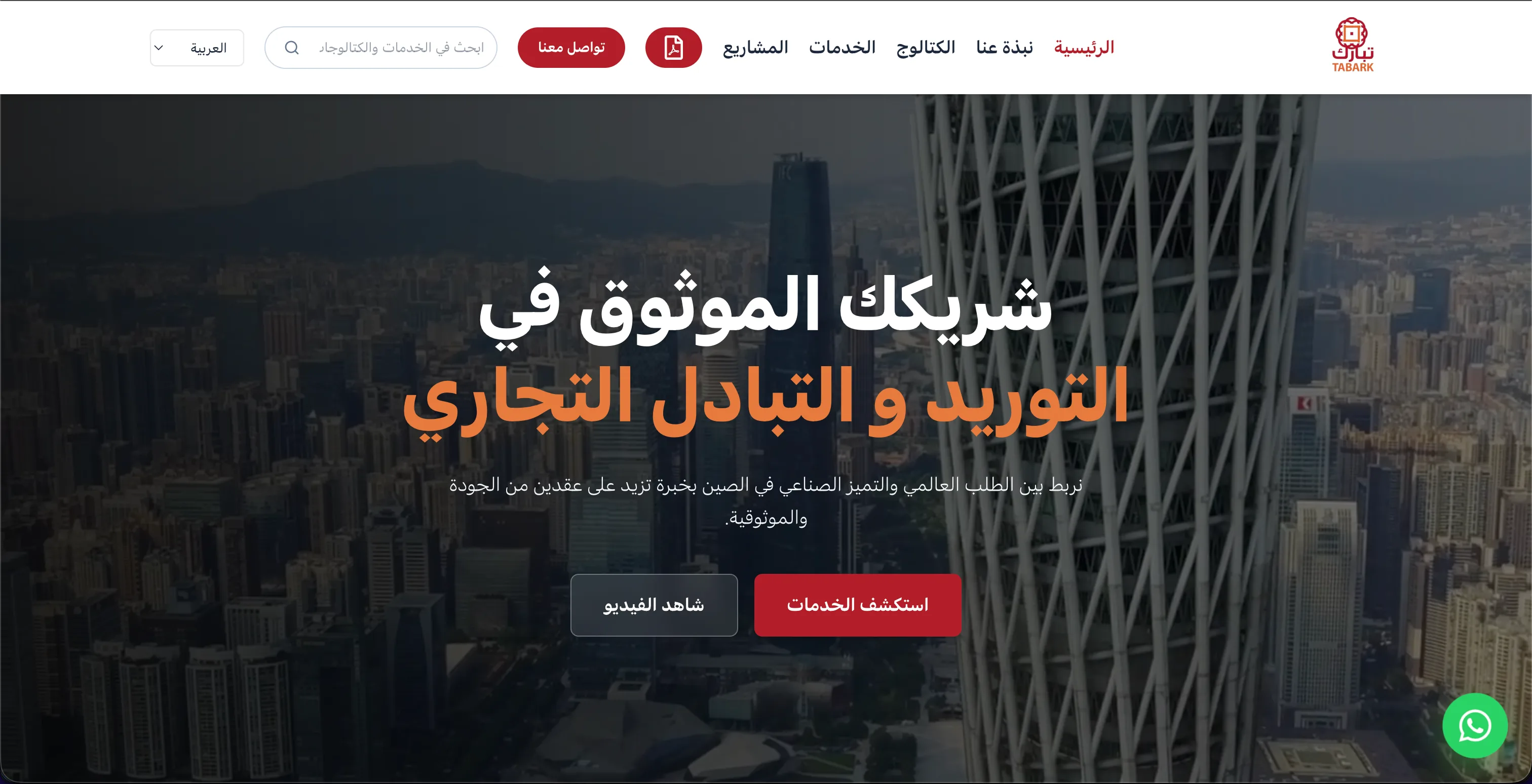 03
A trading storefront for multiple markets, with fast product browsing.
 04
A product platform with protected dashboards and a structured data layer built to grow.
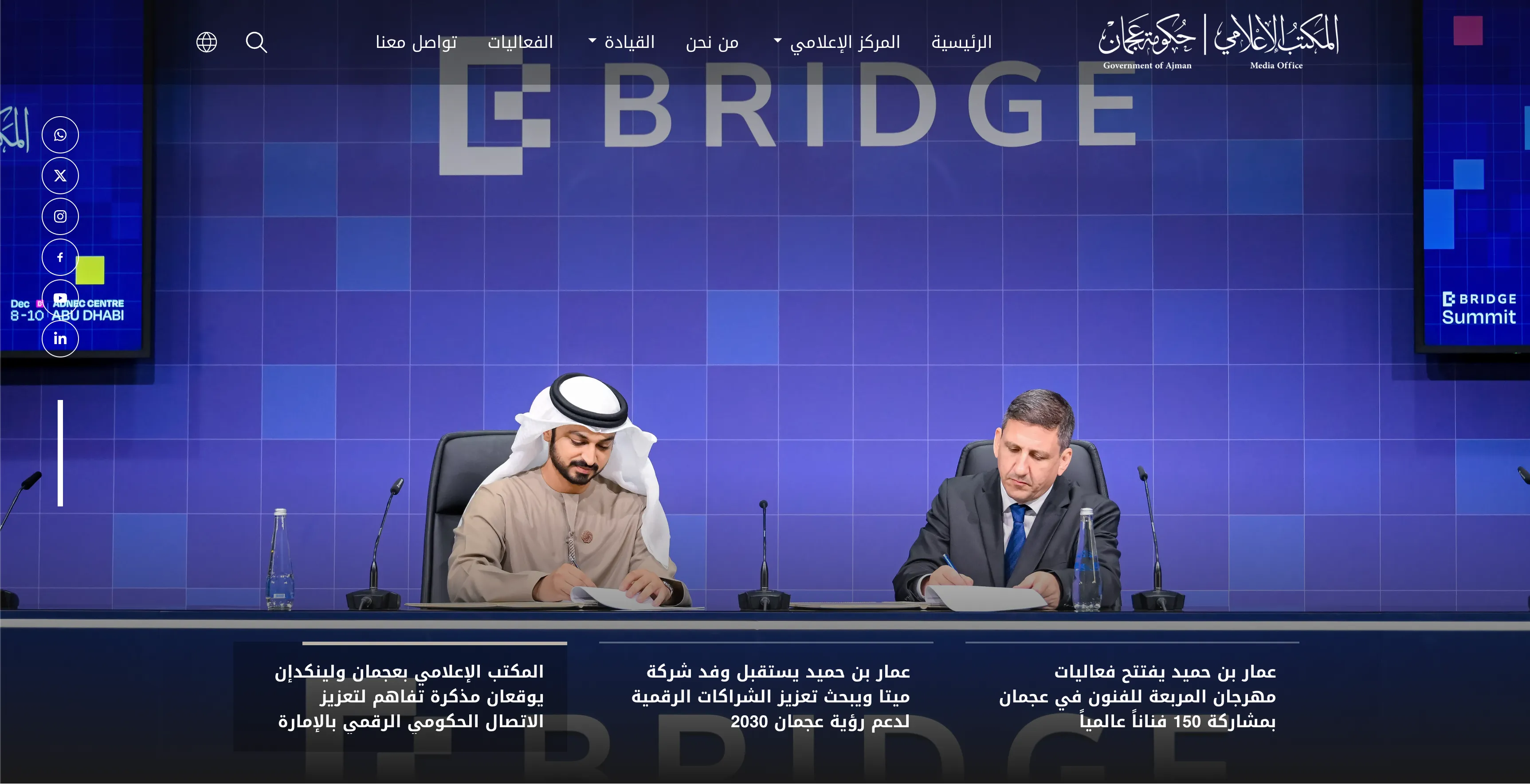 05
A bilingual newsroom platform built for high traffic and editorial workflows.
 06
An agency portfolio with custom interactions and a CMS the client edits themselves.
Tap a model to open it full screen. Nothing heavy loads until you do.
Fast, responsive sites and web apps on Next.js and React — production-ready, and editable by your team.
iOS and Android apps with a native feel, built in Flutter and wired to the systems you already run.
Design turned into a precise, fast interface — including proper Arabic and full right-to-left support.
Connecting the product to APIs, databases, and cloud services — Node.js, Firebase, and stacks that can grow.
Auditing speed and Core Web Vitals, then fixing what slows the load and weakens search visibility.
Technical SEO, structured data, and local presence in the UAE and GCC — so the right client can find you.
Workflows that connect language models to your stack: assistants, document pipelines, and repeatable tasks with guardrails.
Choosing the stack, data model, and launch path for the product you have today — not what looks impressive on paper.
Five clear stages, a written scope, and progress you can follow.
Understand the problem

Architecture and UX

Identity and UI

Code and quality
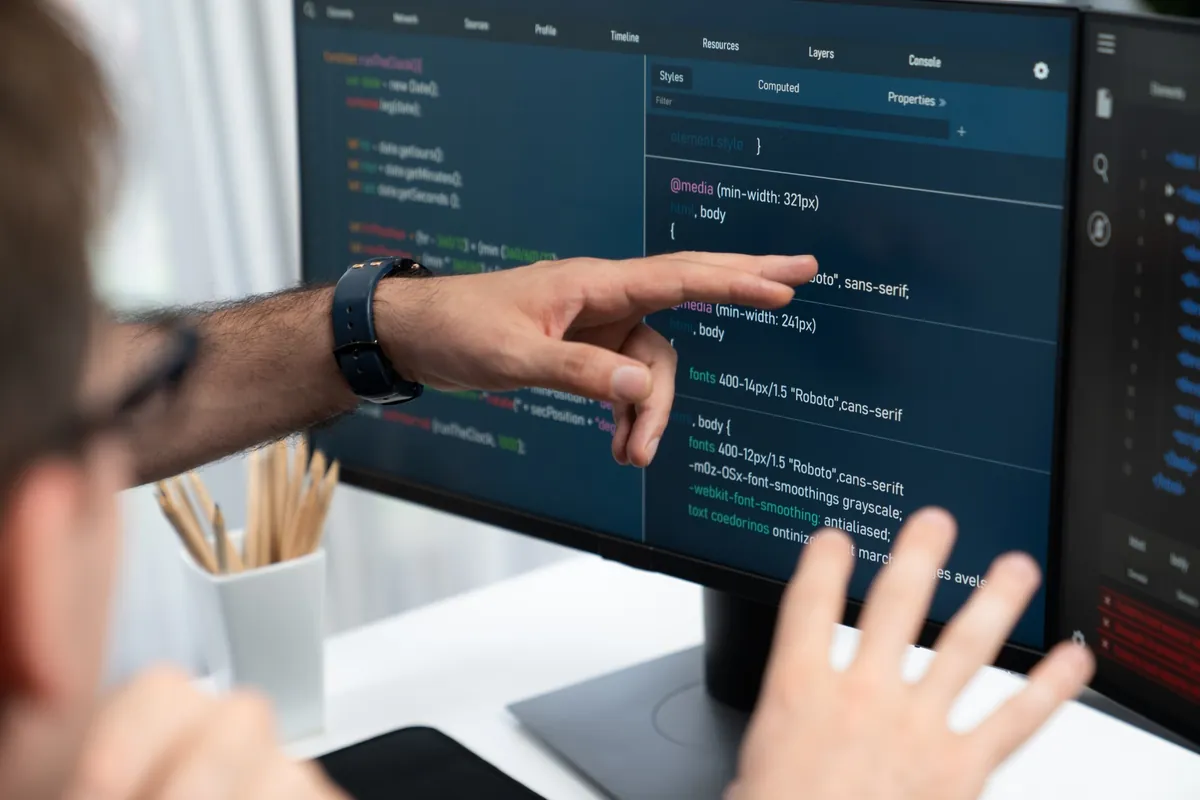
Deploy and improve

 VS Code
 GitHub
 Flutter
 Dart
 Webflow
 Vercel
 Node.js
 Android Studio
 Make
 Shopify
 Payload
 MongoDB
 Next.js
 Odoo
 Firebase
 Supabase
 Docker
 JavaScript
A 30-minute intro call, then a written scope with stages and a timeline. I build in batches and share progress as I go, so feedback stays timely and the work does not drift.
Yes. A large part of my work is stepping into a live Next.js, React, or Flutter product — understanding what is there, fixing what holds it back, and adding features without breaking what already works.
They are not left until the end. Speed, structured data, and Core Web Vitals are handled during the build, then measured after launch. For UAE clients I also look at local visibility in search and maps.
Yes, and it is standard for my UAE and GCC clients: full right-to-left support, localized routes, and content that can be managed in both languages without a workaround.
The problem, the target date, and access to whatever exists today. A rough direction is enough to begin; a finished design helps, but it is not required.
After the call I quote a fixed price for the agreed stages. If the brief changes, we revise the scope before building — not after. I do not work open-ended hours without an agreement.
I hand over a product running in production, with what you need to operate it. If you want support or a next phase, we agree that clearly. I do not treat launch as the moment to walk away.
Bring the problem, not a spec. We will shape the scope on the call, and I will tell you honestly whether I am the right fit.